
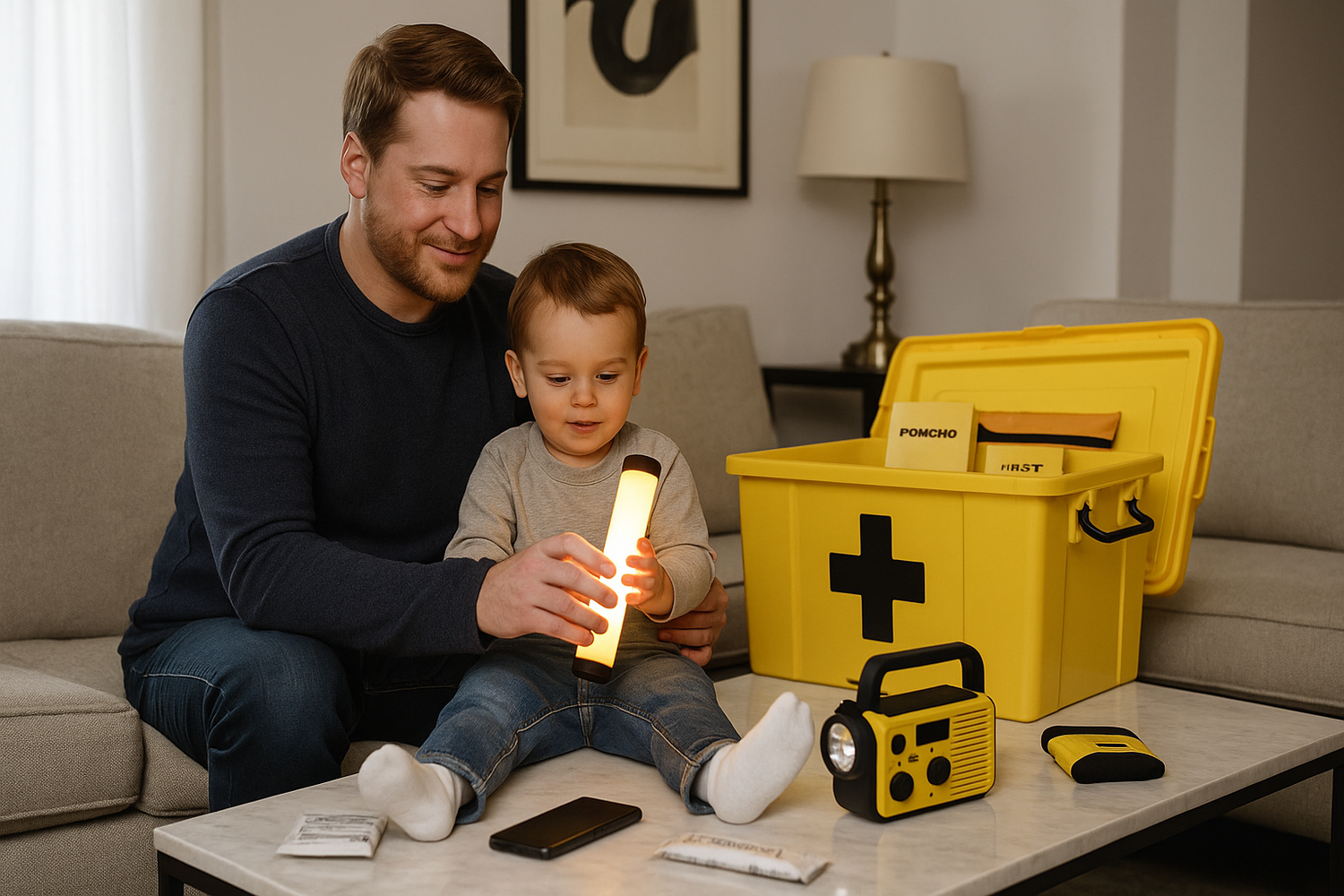
When emergencies happen, preparation can make all the difference. Whether it’s a typhoon, earthquake, flood, power outage, or unexpected evacuation, having an emergency kit ready helps protect you and your family during stressful situations.
An emergency kit is a collection of essential supplies you may need if you have to stay at home without utilities or leave quickly during an emergency. The key is to prepare before disaster strikes.
Why Every Home Needs an Emergency Kit
Disasters can happen without warning. Roads may become blocked, stores may close, and electricity or clean water may not be available for days. A well-prepared emergency kit gives you immediate access to basic necessities while waiting for help or recovery.
Benefits of having an emergency kit include:
- Faster response during emergencies
- Reduced stress and panic
- Better safety for children and elderly family members
- Access to food, water, medicine, and communication tools
Essential Items for an Emergency Kit
Here’s a simple checklist of recommended supplies for a basic household emergency kit.
1. Water Supply
Water is the most important survival item. Store at least one gallon (about 4 liters) per person per day for at least three days.
Recommended:
- Bottled water
- Water purification tablets
- Portable water filter
2. Non-Perishable Food
Choose foods that are easy to prepare and have a long shelf life.
Examples:
- Canned goods
- Instant noodles
- Energy bars
- Dried fruits and nuts
- Peanut butter
- Ready-to-eat meals
Don’t forget:
- Manual can opener
- Disposable utensils
3. First Aid Kit
A complete first aid kit can help treat minor injuries until professional help arrives.
Include:
- Bandages
- Antiseptic wipes
- Gauze and tape
- Pain relievers
- Prescription medications
- Thermometer
- Medical gloves
4. Flashlights and Batteries
Power outages are common during emergencies. Keep reliable lighting available.
Recommended:
- LED flashlight
- Extra batteries
- Rechargeable lantern
- Solar-powered light
5. Communication Tools
Stay informed even if mobile signals are weak.
Important items:
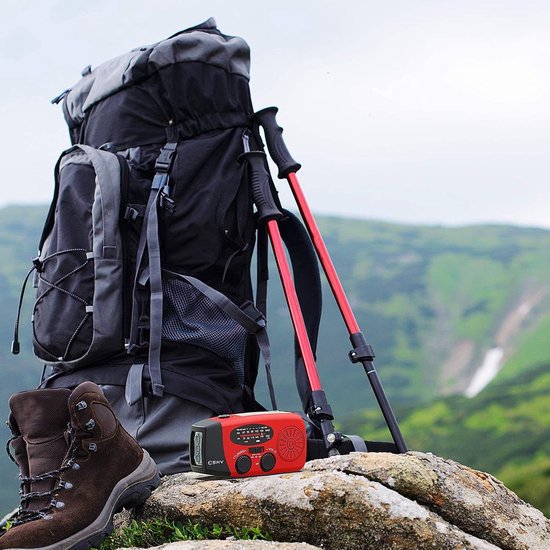
- Battery-powered radio
- Fully charged power bank
- Emergency contact list
- Whistle for signaling help
6. Personal Hygiene Supplies
Basic hygiene helps prevent illness during prolonged emergencies.
Suggested items:
- Soap and shampoo
- Toothbrush and toothpaste
- Wet wipes
- Tissue paper
- Feminine hygiene products
- Garbage bags
7. Important Documents
Keep copies of essential documents in a waterproof pouch.
Examples:
- IDs and passports
- Insurance papers
- Medical records
- Emergency contact information
- Cash in small bills
Emergency Kit for Children and Pets
If you have children or pets, include their special needs.
For children:
- Baby formula
- Diapers
- Comfort toys
- Extra clothing
For pets:
- Pet food
- Water bowl
- Leash
- Vaccination records
Tips for Maintaining Your Emergency Kit
Preparing the kit is only the first step. Make sure it stays updated and functional.
Check Your Kit Every 6 Months
Replace expired food, batteries, and medications regularly.
Store It in an Accessible Place
Choose a location that everyone in the household can reach quickly.
Use Waterproof Containers
Protect supplies from water damage using sealed plastic bins or dry bags.
Prepare a Portable Version
Have a smaller “go bag” ready in case of evacuation.
Final Thoughts
An emergency kit is not just a box of supplies — it’s peace of mind. Preparing today can help you stay safe, calm, and ready during unexpected situations. Start small if needed, and gradually build a kit that fits your family’s needs.
Remember: emergencies are unpredictable, but preparation is always within your control.

Leave a comment
This site is protected by hCaptcha and the hCaptcha Privacy Policy and Terms of Service apply.