
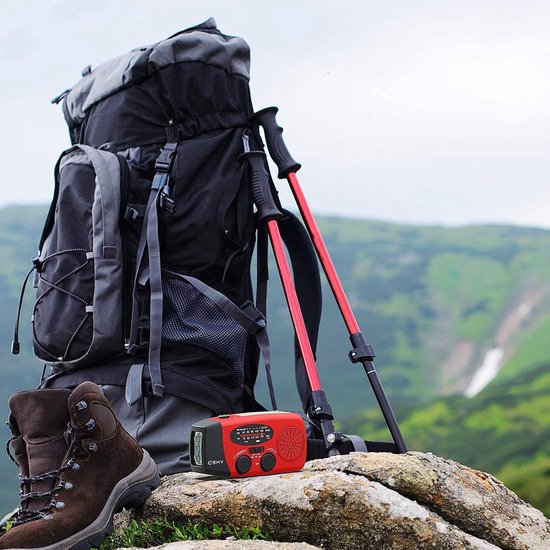
Natural disasters and unexpected emergencies can happen anytime. From severe storms to earthquakes and long power outages, being prepared can greatly improve your safety and comfort. One of the easiest ways to prepare is by creating an emergency kit.
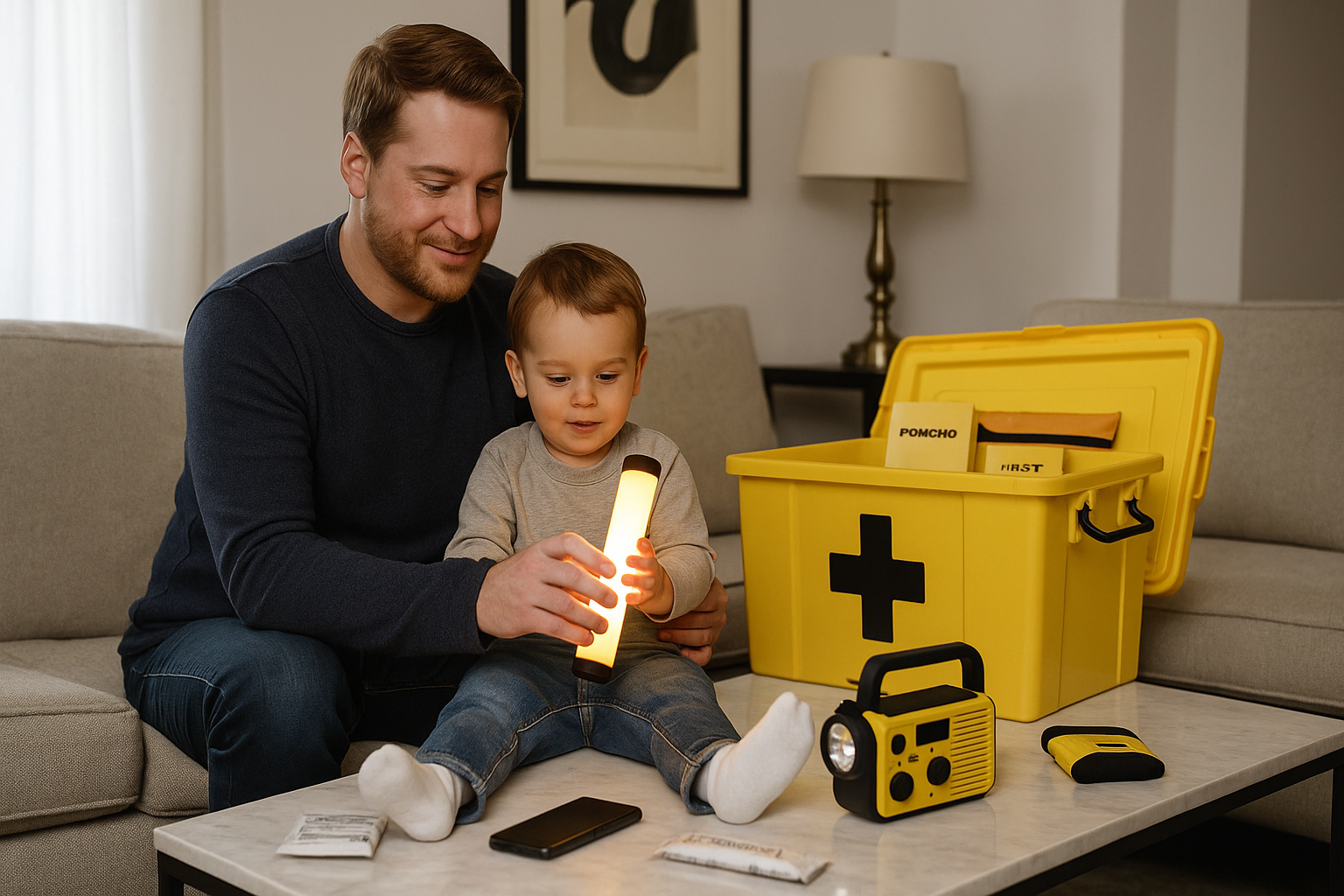
An emergency kit contains essential supplies that help you survive during difficult situations when normal services may not be available.
What Should Be Inside an Emergency Kit?
A well-stocked emergency kit should include:
- Drinking water
- Non-perishable food
- Flashlights
- Batteries
- First aid supplies
- Medications
- Emergency blankets
- Phone chargers and power banks
- Copies of important documents
You should prepare enough supplies to last at least 72 hours.
Emergency Kit Tips
- Store your kit in a waterproof container
- Keep it in an easy-to-access location
- Check expiration dates every few months
- Make separate kits for home, car, and workplace
Preparedness can reduce panic and help families stay safe during emergencies.
Sample Blog Post #3: 10 Must-Have Items for Your Emergency Kit
When disaster strikes, every second matters. Having an emergency kit ready can help you respond quickly and protect your loved ones.
Here are 10 important items every emergency kit should contain:
1. Clean Water
Store enough water for each family member for at least three days.
2. Ready-to-Eat Food
Choose canned goods, snacks, and foods that do not require refrigeration.
3. Flashlight
A flashlight is safer and more reliable than candles during power outages.
4. Battery-Powered Radio
Stay updated with weather alerts and emergency announcements.
5. First Aid Supplies
Bandages, medicines, and antiseptics are essential during emergencies.
6. Extra Clothing
Pack lightweight clothes, socks, and rain gear.
7. Hygiene Products
Soap, tissues, wet wipes, and sanitary items help maintain cleanliness.
8. Important Documents
Keep copies of IDs, insurance papers, and emergency contacts.
9. Multi-Tool or Pocket Knife
Useful for repairs, opening cans, and other emergency tasks.
10. Power Bank
Keep your phone charged for communication and navigation.
Building an emergency kit today can make a major difference tomorrow.
Sample Blog Post #4: Family Emergency Kit Checklist
Every family should have an emergency plan and a fully prepared emergency kit. During disasters, access to food, water, electricity, and communication may become limited.
A family emergency kit helps ensure everyone has the supplies they need to stay safe and comfortable.
Basic Emergency Kit Checklist
Food and Water
- Bottled water
- Canned food
- Crackers and snacks
- Baby food if needed
Safety Supplies
- Flashlights
- Batteries
- Whistle
- Fire extinguisher
Medical Supplies
- First aid kit
- Prescription medicines
- Face masks
- Hand sanitizer
Communication
- Emergency contact list
- Battery-powered radio
- Phone charger
Personal Items
- Extra clothes
- Blankets
- Toiletries
- Cash
Why Preparation Matters
Emergencies often happen without warning. Having supplies prepared in advance helps families avoid panic and respond more effectively.
Preparedness is one of the best ways to protect your household during uncertain situations.
Sample Blog Post #5: How to Build a Budget-Friendly Emergency Kit
Many people think emergency preparedness is expensive, but building an emergency kit can start with simple and affordable items.
Start with the Basics
Focus first on the most important necessities:
- Water
- Food
- Flashlight
- First aid supplies
You can slowly add more items over time.
Shop Smart
Tips for saving money:
- Buy supplies during sales
- Purchase store brands
- Reuse containers you already have
- Rotate food supplies before expiration
Customize Your Kit
Every household is different. Consider:
- Children’s needs
- Elderly family members
- Pets
- Medical conditions
Final Reminder
An emergency kit does not need to be perfect immediately. The important thing is to start preparing today. Small steps can make a big difference when emergencies happen.

Leave a comment
This site is protected by hCaptcha and the hCaptcha Privacy Policy and Terms of Service apply.